What Does "Functional Fitness" Actually Mean?

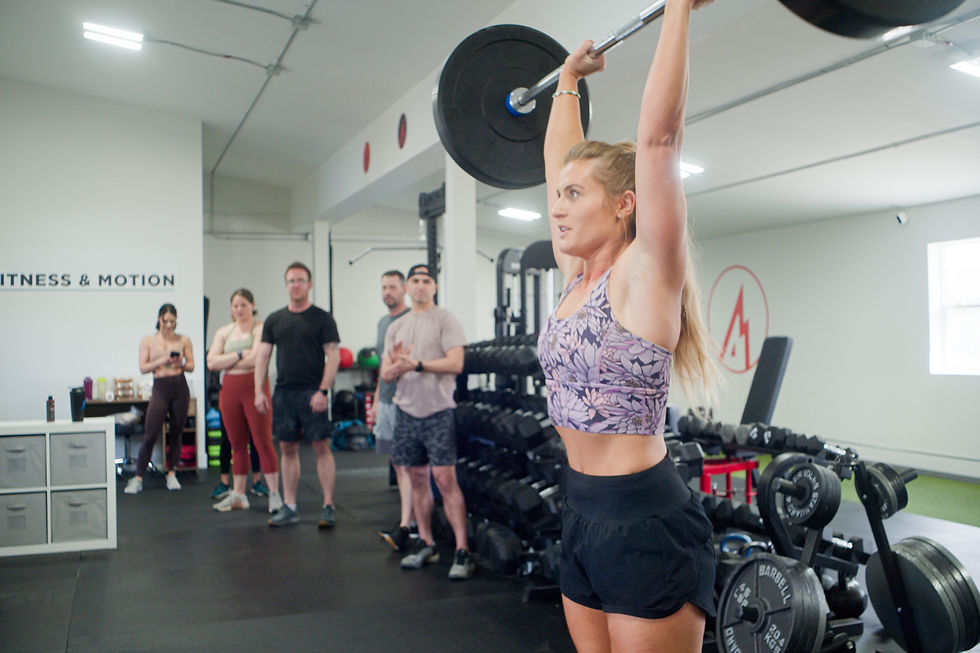
We’ve all seen it, social media clips of someone balancing on a Bosu ball while juggling kettlebells, or doing walking handstands while pushing a tire. It looks impressive, but it often leaves people asking, "Is that what I’m supposed to be doing at the gym?"
The short answer? No. Functional fitness isn't about circus tricks or training for a specialized sport. At its core, it’s about training your body for real life. Functionality over aesthetics. It’s the difference between being "gym strong" and "life strong."
Functional fitness isn't just another trend; it's a return to basics. Focus on the quality of the movement. It’s about making sure your body is an asset to your life, not a limitation.
The "Why" Behind Functional Movement
Most traditional gym workouts focus on isolation; targeting a specific muscle group. Think of a bicep curl: you sit down, lock your shoulder, and move your one elbow joint from low to high to grow one muscle. It looks great in a tank top, but how often do you do that in the real world?
Functional fitness focuses on integration. It prioritizes movements that mimic the way your body naturally moves throughout the day. Instead of training muscles in a vacuum, you’re training your brain and body to work together as a cohesive unit.
The Big Five: Real-World Patterns
Functional training is built around five primary movement patterns that humans have been doing since the dawn of time. These 5 have real-life applications to them. Believe it or not, there is a method to your trainers' madness when they say pull that heavy cable from floor to ceiling while twisting. Here are some movements - real life applications:
Squat - Sitting down and standing up from a low chair or toilet.
Hinge - Bending over to pick up a heavy grocery bag or a toddler.
Push - Shoving a heavy door open or putting luggage in an overhead bin.
Pull - Starting a lawnmower or opening a heavy gate.
Lunge - Climbing stairs or recovering your balance after a trip.
Even if You Aren't an Extreme Athlete - It Matters!
You don’t need to be a Spartan Racer to benefit from this approach. Here is why functional fitness is beneficial for longevity:
Balance and Coordination: It trains your core to engage dynamically, which becomes increasingly vital as we age to prevent falls.
Injury Prevention: By strengthening the stabilizing muscles around your joints, you’re less likely to "throw your back out" doing something mundane.
Efficient Calorie Burn: Compound movements (using multiple muscle groups at once) require more energy, giving you more "bang for your buck" during a workout.
Independence: It ensures that at age 80, you can still get off the couch and carry your own groceries.
Functional vs. Non-Functional: A Comparison
Goal | Functional Movement | Non-Functional (Isolation) |
Leg Strength | Step-ups (Mimics stairs) | Leg Extension Machine (Siting down) |
Core Strength | Plank (Stabilizes spine) | Crunch (Flexes spine) |
Back Strength | Bent Over Row (Uses legs/core) | Seated Cable Row (Uses only arms/back) |
Shoulder Health | Turkish Get-Up (Stability) | Lateral Raise (Just the deltoid) |
While there’s nothing wrong with chasing a specific look or hitting a new PR on a chest press machine, those goals should serve your life—not the other way around.
Functional fitness is about how well you can move. It’s about building a body that doesn’t just look capable in a mirror, but feels capable in the world. Whether you’re carrying a sleeping toddler, hauling luggage across a terminal, or simply ensuring you stay mobile and independent well into your 80s, functional training is the investment that pays the highest dividends.
Figuring out which exercises fit into your real life and coming up with a plan, doesn't have to be daunting. At Peak Fitness and Motion we are trained and certified to help you do just that. Whether you want specific 1:1 training, the ability to plan and workout with friends, a class to keep you motivated or if you just want to show up and go at your own pace. We have the gym for you.


Comments